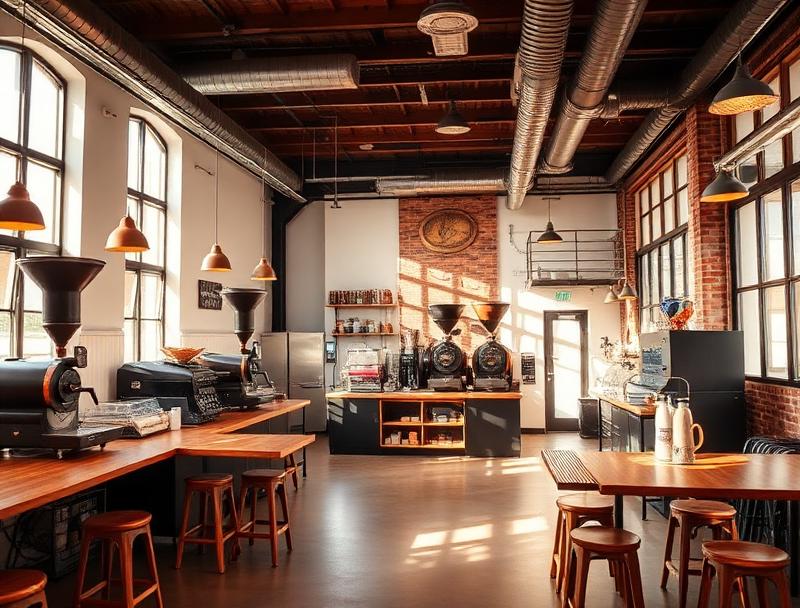
Spanish cafe culture is woven through the day: a quick coffee before work, a pause with breakfast, conversation after lunch or an evening drink on a terrace. Customs vary by region and by the kind of bar or cafe, so treat any list of rules as orientation rather than law.
Editorial note: this overview should be expanded with named, first-hand examples from Malaga and Granada before being treated as a definitive local guide.
Common orders
An espresso may be ordered as a cafe solo. A cortado adds a small amount of milk, while cafe con leche usually contains considerably more. Cafe americano is espresso lengthened with water. Decaffeinated coffee is widely available; specifying de maquina distinguishes espresso-machine decaf from an instant sachet in places that offer both.
Local terminology can be wonderfully specific. Malaga is known for a vocabulary that describes different proportions of coffee and milk. Rather than pretending the same menu applies everywhere, listen to local orders and ask when unsure.
The pace depends on the place
At a busy bar, coffee can be quick and functional. On a terrace, the same drink may accompany a long conversation. Table service often costs more than standing at the bar, particularly in tourist centres.
Coffee is commonly paired with a simple breakfast such as toast with tomato and olive oil. Later in the day it may follow a meal rather than become a large takeaway drink.
Specialty coffee and traditional bars
Spain’s specialty scene has grown alongside, not simply replaced, traditional cafe culture. Modern roasters and filter-focused shops coexist with neighbourhood bars serving familiar blends quickly and affordably. Both reveal something useful about the city around them.
Approach the scene with curiosity rather than ranking every cup by one standard. The pleasure may be in the coffee, the terrace, the conversation or the fact that the same barista already knows a regular’s order.